Leadership and governance
Leadership
President
Alan M. Garber leads Â鶹´«Ã½Ó³» as 31st President of the University.
Office of the Provost
The Office of the Provost, led by Provost John F. Manning, manages changes in University-wide policies and practices.
School leadership
Â鶹´«Ã½Ó³»â€™s Schools are led by officers and deans, who are responsible for Â鶹´«Ã½Ó³»â€™s academic programs and curricula.
Governing boards
By charter, Â鶹´«Ã½Ó³» has two governing boards. Through their complementary efforts, the two governing bodies perform the essential roles ordinarily associated with a board of trustees. Together, the boards help to shape the University’s agenda, inquire into the quality and progress of its activities, and assure that Â鶹´«Ã½Ó³» remains true to its mission.
Â鶹´«Ã½Ó³» Corporation
The Â鶹´«Ã½Ó³» Corporation, also known as the President and Fellows of Â鶹´«Ã½Ó³» College, is the smaller of Â鶹´«Ã½Ó³»â€™s two governing boards. Chartered in 1650, the Corporation exercises fiduciary responsibility with regard to the University’s academic, financial, and physical resources and overall well-being. It consists of the President, the Treasurer, and other members known as Fellows.
Learn more about the Â鶹´«Ã½Ó³» CorporationOpens new window
Board of Overseers
The Board of Overseers is the larger of Â鶹´«Ã½Ó³»â€™s two governing boards. Established in 1642, the Board of Overseers is made up of Â鶹´«Ã½Ó³» University alumni.
The Board typically gathers five times per year and is tasked with a number of essential duties, including directing the visitation process, which is the primary means for periodic external assessment of Â鶹´«Ã½Ó³»â€™s Schools and departments. The goal of these assessments, conducted through the Board’s various committees, is to ensure that Â鶹´«Ã½Ó³» remains true to its charter as a place of learning. The Board also provides counsel to the University’s leadership on priorities, plans, and strategic initiatives.
New members of the board are elected each spring by Â鶹´«Ã½Ó³» degree holders (excluding officers of government or instruction at the University and members of the Corporation).
Related news

New Members of Â鶹´«Ã½Ó³» Corporation
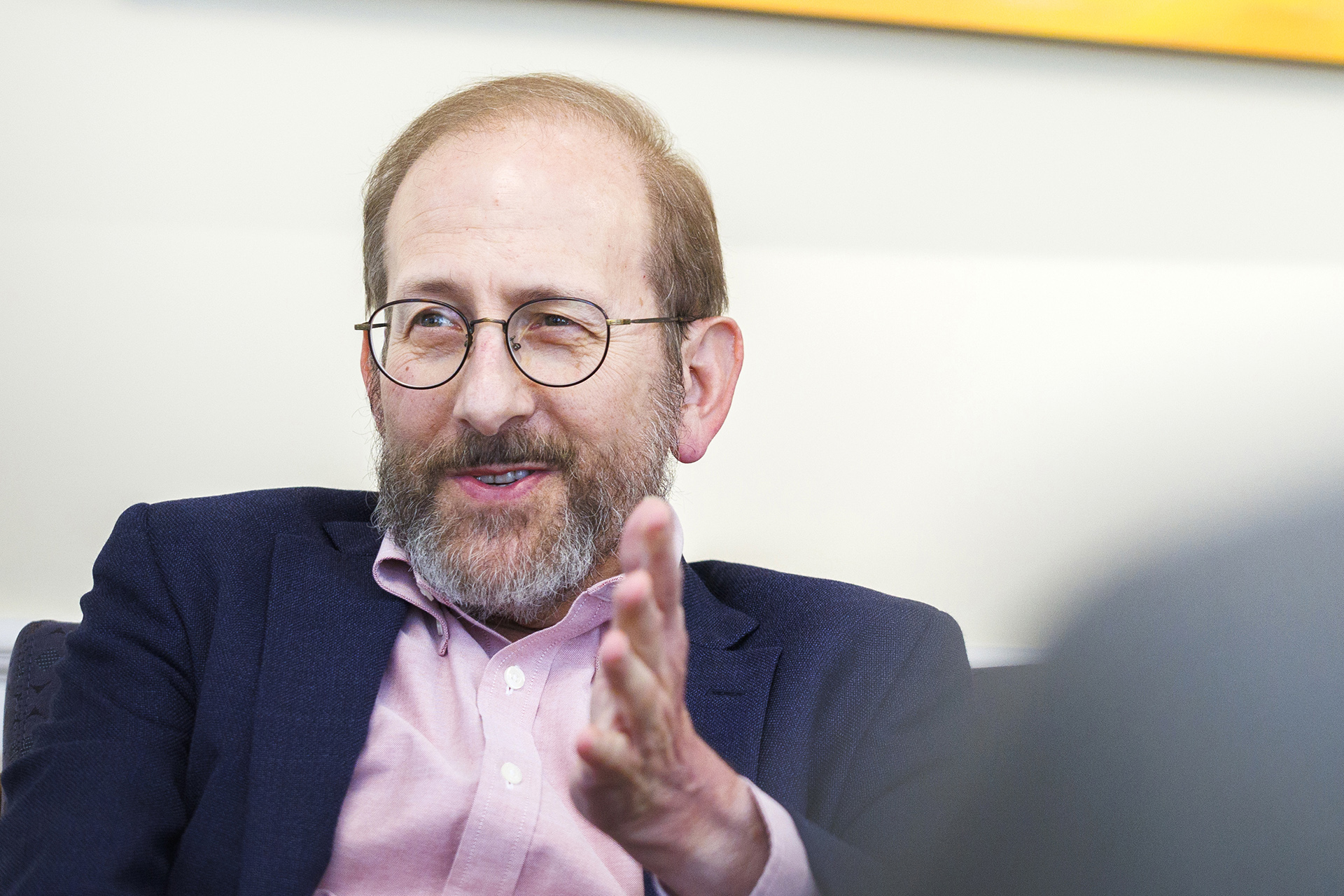
Garber to lead Â鶹´«Ã½Ó³» beyond 2026-27 academic year

Update on President Garber
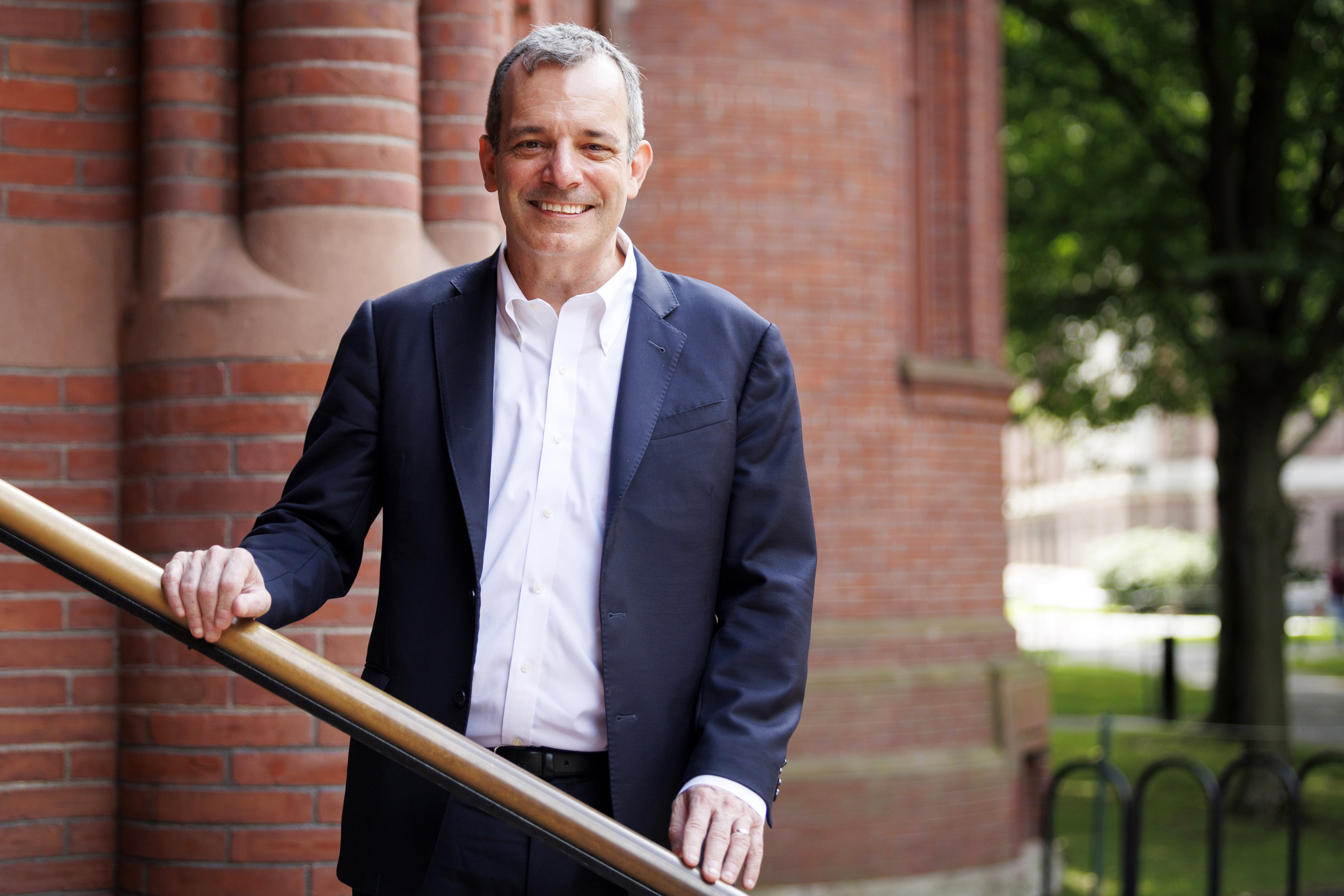
John Manning named next provost
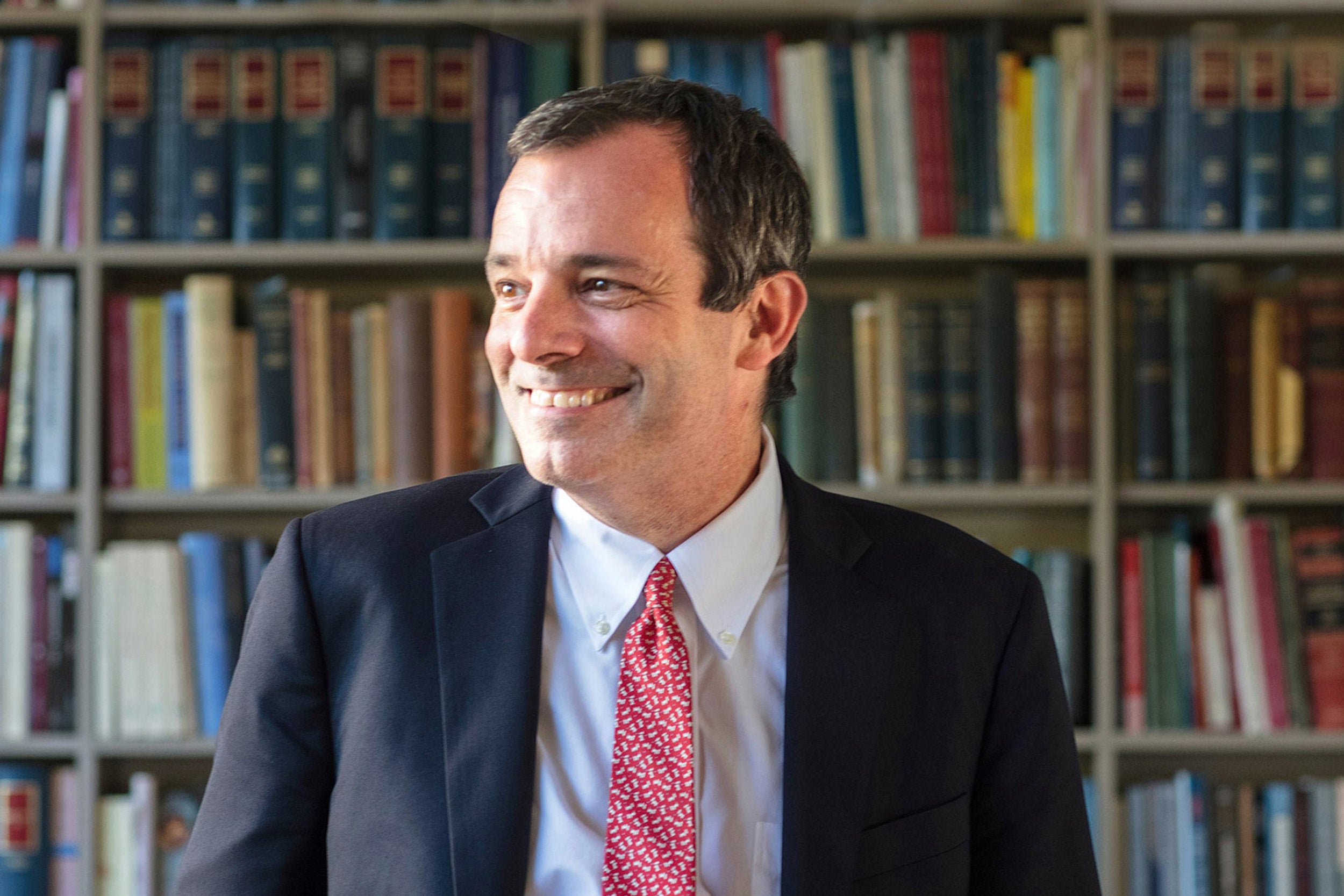
Â鶹´«Ã½Ó³» Law School Dean John Manning named interim provost

Helena Foulkes and Lindsay Chase-Lansdale to lead Overseers

Two new Corporation members